Corda 1837
What is Stachybotrys mold?
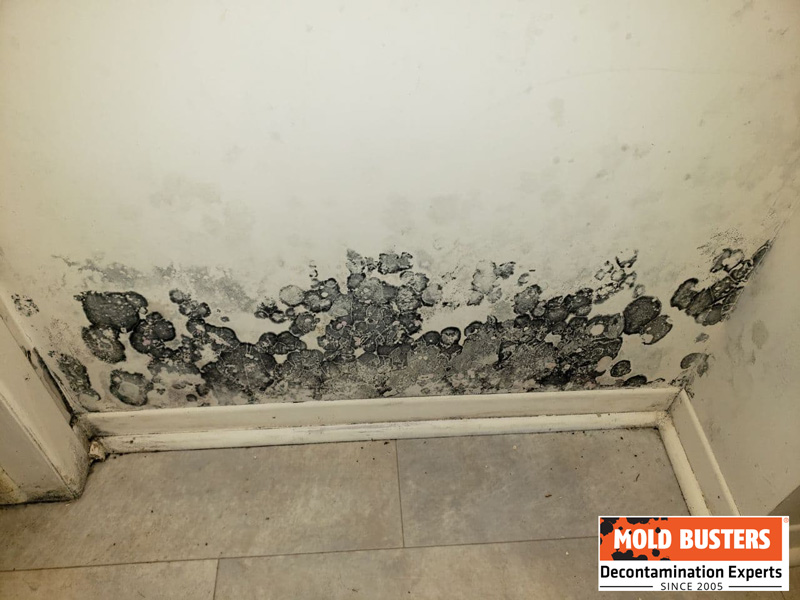
Stachybotrys, one of the most common and recognizable types of mold found in indoor environments, is a greenish black mold widely known as black mold or “toxic mold” (Fig. 1). Those names come from its appearance and from extensive media coverage in the 1990s. As with other indoor moulds, reported reactions are mostly allergic and respiratory, and they vary from person to person.
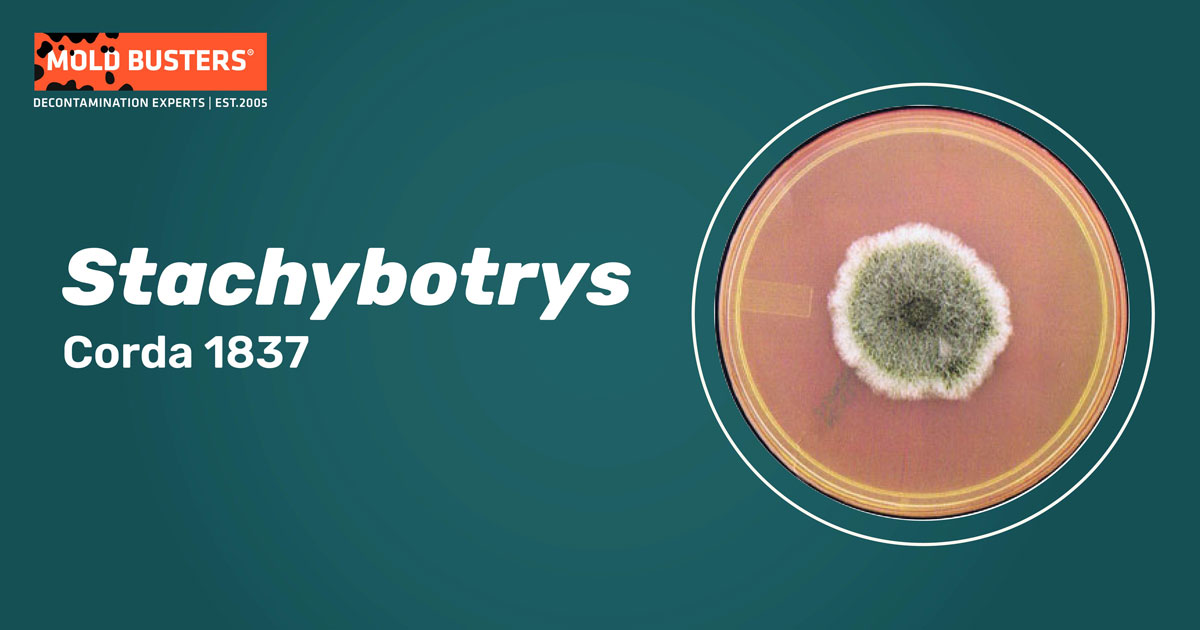
With its two most infamous species, S. chartarum and S. chlorohalonataone, is one of the most recognizable types of mold found in indoor environments.
Stachybotrys typically grow on materials with high cellulose and low nitrogen content, such as fiberboard, gypsum board, drywall, paper, dust, and lint. The primary cause of black mold is moisture – flooding, high humidity, leaks, condensation, or some other form of moisture intrusion.
Stachybotrys fungi can produce mycotoxins, which have been known to be hazardous to human health, especially in cases of long-term exposure. It is known as the toxic mold due to its association with pulmonary hemosiderosis (repeated episodes of intra-alveolar bleeding), which occurred in infants living in certain undeveloped urban areas of the U.S. However, more recent reports advise that the possible association between the acute pulmonary hemorrhage in infants and exposure to Stachybotrys chartarum molds has yet to be definitively proven [1, 2].Video: What is Stachybotrys?
Stachybotrys ecology
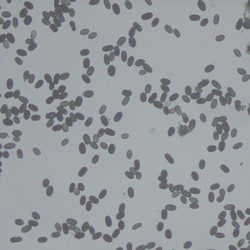
Nitrogen is a limiting factor for these molds, which thrive in low nitrogen environments and a high amount of cellulose. Such surfaces include gypsum boards, paper, but also dust, lint, and fiberboard. Like all other molds, Stachybotrys produces ample amounts of spores which are dispersed into the air (Fig. 2). These spores can stay in a dormant state for a long period and will germinate and develop into a mold if they find themselves in an environment with enough moisture and nutrients.

Stachybotrys spp. are rarely found in isolation and nearly always occur in the presence of other fungi. It is known as a tertiary wall colonizer, often appearing after the primary (Penicillium and Aspergillus) and secondary (Cladosporium) colonizers. It proliferates relatively slowly in comparison to other species, which leads to overgrowth by other molds unless the surface is specifically suited to Stachybotrys [1].
What are common places for Stachybotrys mold to grow?
Damp places such as bathrooms, wet carpets, and wet boards are the best habitats for developing Stachybotrys mold. Laundry rooms, poorly isolated basements, areas around leaky pipes are all suitable habitats for Stachybotrys mold to appear, providing enough moisture.
Some species of Stachybotrys produce mycotoxins which can be harmful when inhaled or ingested. Depending on factors such as temperature, humidity, and the nature of the surface it’s growing on, the Stachybotrys mold may or may not produce mycotoxins.
How does Stachybotrys smell?
This mold has a very unpleasant, potent smell that is reminiscent of rotting wood and can be described as damp, stale, or musty [6]. In many cases, Stachybotrys can be discovered by the sense of smell before the visual inspection. It can often develop in hidden structural material, going unchecked for prolonged periods before its smell gives it away.
This odor signifies that an air or surface test for Stachybotrys mold should be performed. A strong smell usually suggests that the mold is already well developed and would pose a challenge to anyone attempting to remove it on their own. At this stage, it’s prudent to enlist the help of professionals.
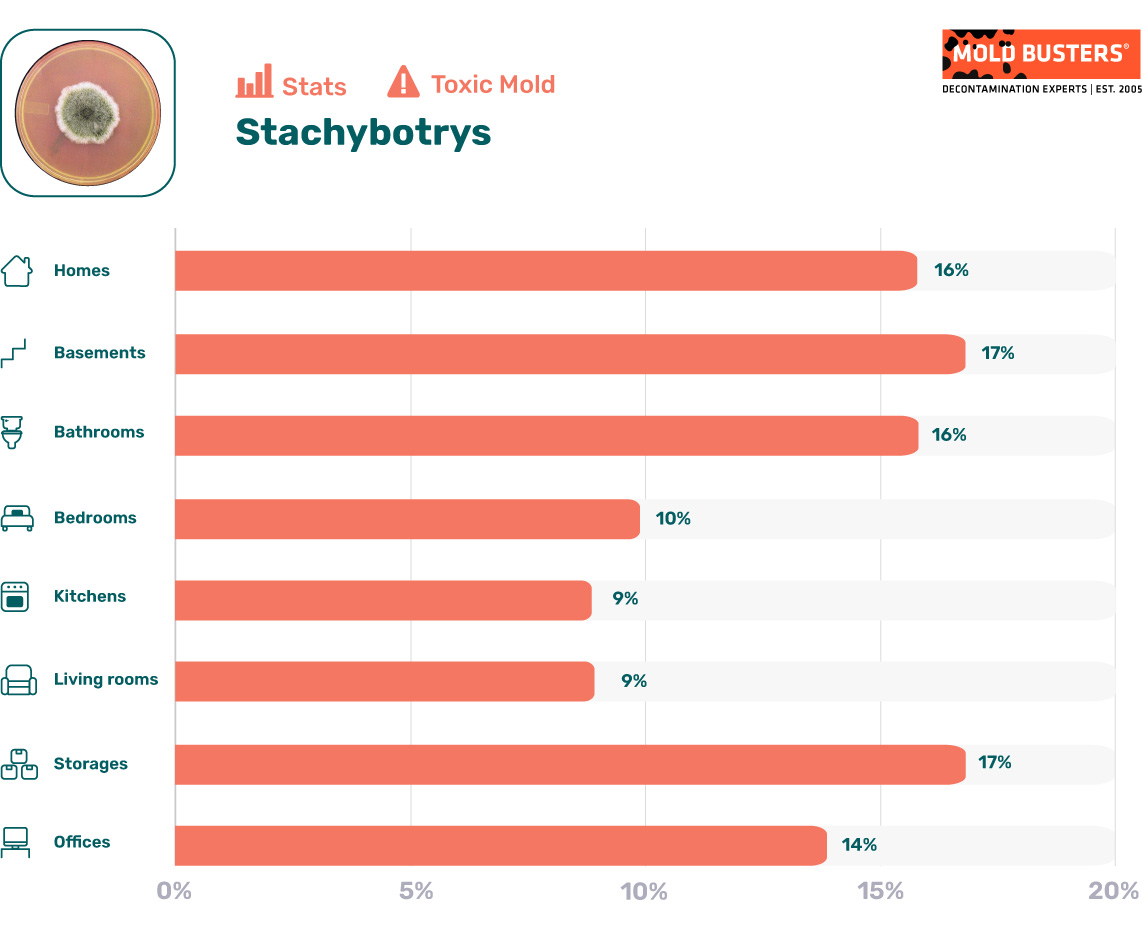
Stachybotrys mold statistics
As part of the data analysis presented inside our Mold Statistics resource page, we have calculated how often mold spore types appear in different parts of the indoor environment when mold levels are elevated. Below are the stats for Stachybotrys:

Is Stachybotrys mold dangerous?
Stachybotrys is popularly associated with a cluster of infant pulmonary hemorrhage cases investigated in Cleveland in the 1990s, and the widespread media coverage of that investigation is where the name “toxic black mold” comes from. The link did not hold up. On review, the original studies were found to be inconclusive because of possible bias in sampling and diagnosis, and the CDC subsequently stated that while a contribution from Stachybotrys could not be excluded, it was not proven either [4, 5].
The reputation has outlasted the evidence. Stachybotrys is still worth taking seriously in a building, but for a practical reason rather than a medical one: it needs sustained wetness to grow, so finding it means there is a water problem to solve.
Stachybotrys does produce mycotoxins. The historical cases most often cited involve farm workers and livestock in Russia and Eastern Europe with heavy, prolonged exposure to contaminated hay and straw [2]. That is a different exposure situation from a damp wall in a house, and the two should not be read as equivalent.
One practical point matters more for a homeowner: Stachybotrys is usually a tertiary coloniser, so where it is present there are typically other moulds such as Aspergillus or Cladosporium present as well. Testing is what establishes what is actually there.
What are some of the symptoms of exposure to Stachybotrys?
In some cases, Stachybotrys can produce mycotoxins, notably trichothecenes (sesquiterpenoid fungal toxins). These toxins inhibit protein synthesis and can lead to a wide range of problems, such as dermatitis, pain, inflammation of the mucous membranes, respiratory issues, fever, headache, fatigue, and many others.
Stachybotrys poisoning, or stachybotryotoxicosis, was first observed in farm animals in Eastern Europe in the 1930s. Human cases were reported in people working on farms who had come into contact with contaminated hay or straw [7]. In a case involving workers from New York, USA, Stachybotrys mold on cardboard boxes is presumed to have caused the workers to experience throat irritation, rash, fever, fatigue, muscle aches, and stomach aches [3].
What are Stachybotrys acceptable levels?
Currently, there are no accepted guidelines when it comes to acceptable levels of fungal spores, including Stachybotrys spores. Many authors have proposed guidelines, but they vary wildly and are largely unfounded [1]. In our experience, anything above 50 spores per cubic meter of indoor air should be cause for concern. In any case, proper maintenance of heating, ventilation, and air-conditioning systems, removing dust, and cleaning carpets regularly all help to keep the spore count at a low level.
How to identify Stachybotrys mold?
Because many mold species can appear black, the only way to know for sure if the mold you are dealing with is Stachybotrys is to have your household professionally tested. In most cases, a sample of the mold is obtained from a visible colony and taken to the laboratory for testing.
Stachybotrys chartarum is one of the 36 mold species screened by the ERMI test and is considered to be in a group of molds that are highly associated with water damage. The Environmental Relative Moldiness Index (ERMI) is an indoor air quality test designed by the U.S. Environmental Protection Agency and the U.S. Department of Housing and Urban Development. This test was designed as a standardized test of air quality and mold contamination of U.S. homes. ERMI uses DNA-based technology to assess which adverse mold species connected with water damage are present in tested households. It can also give a value of their quantity [8].
How to remove Stachybotrys mold?
At Mold Busters, we specialize in testing and removing mold in and around your house. We also excel in mold testing and removal, dehumidifying, improving indoor air quality, and preventing any reoccurrence of mold. At Mold Busters, we offer a variety of ways to test for mold. We offer professional services that include surface sampling and indoor air quality testing to discover the presence of the Stachybotrys mold.
Stachybotrys FAQ
What does Stachybotrys look like?
Stachybotrys is dark greenish black, and unlike many indoor moulds it often looks wet or slimy rather than fuzzy, because its spores are held in a sticky matrix. It grows in patches that can look almost like a stain. When the material dries out the colony can turn powdery and sooty.
Is Stachybotrys the same thing as black mold?
Stachybotrys is the mould most people mean when they say black mold, but plenty of other species are also dark in colour, including Aspergillus niger and Cladosporium. Colour alone cannot identify a species. Only a lab analysis of a sample can confirm whether what you have is Stachybotrys.
How do you test for Stachybotrys?
Two common approaches. A surface sample, taken by swab or tape lift from the growth itself, identifies what is on that material. An air sample measures what is airborne in the room, which matters because Stachybotrys spores are sticky and are not always well represented in air until the material is disturbed. Samples go to an accredited laboratory for analysis.
Is Stachybotrys dangerous?
Reported reactions are mostly allergic and respiratory, and they vary from person to person. The widely publicised 1990s claims linking Stachybotrys to infant deaths were reviewed and found inconclusive, and the CDC has stated the link was not proven. If you are experiencing symptoms you think relate to mold exposure, speak with a physician. What is not in dispute is that Stachybotrys indicates a genuine moisture problem in the building.
How is Stachybotrys removed?
The water source is fixed first, because Stachybotrys cannot establish without sustained wetness and will return if the moisture remains. Colonised porous materials such as drywall and insulation are usually removed rather than cleaned. The work area is contained under negative pressure and HEPA filtered, since disturbing dried growth releases spores.
References
- Kuhn DM, Ghannoum MA (2003). Indoor mold, toxigenic fungi, and Stachybotrys chartarum: infectious disease perspective. Clin Microbiol Rev. 16(1):144–172.
- Rudert A, Portnoy J (2017). Mold allergy: is it real and what do we do about it? Expert Rev Clin Immunol. 13(8):823-835.
- Miller JD, Rand TG, Jarvis BB (2003). Stachybotrys chartarum: cause of human disease or media darling? Med Mycol. 41(4):271–291
- Etzel RA, Dearborn DG (1999). Pulmonary hemorrhage among infants with exposure to toxigenic molds: an update, p. 79-83. In: Bioaerosols, fungi, and mycotoxins: health effects, assessment, prevention, and control. Eastern New York Occupational and Environmental Health Center, Albany, N.Y.
- From the Centers for Disease Control and Prevention (2000). Update: pulmonary hemorrhage/hemosiderosis among infants – Cleveland, Ohio, 1993-1996. JAMA. 283(15):1951-3.
- Kuhn, D. M., & Ghannoum, M. A. (2003). Indoor mold, toxigenic fungi, and Stachybotrys chartarum: infectious disease perspective. Clinical microbiology reviews, 16(1), 144-172.
- Terr, A. I. (2001). Stachybotrys: relevance to human disease. Annals of Allergy, Asthma & Immunology, 87(6), 57-63.
- Vesper, S., McKinstry, C., Haugland, R., Wymer, L., Bradham, K., Ashley, P., … & Friedman, W. (2007). Development of an environmental relative moldiness index for U.S. homes. Journal of Occupational and Environmental Medicine, 49(8), 829-833.
Get Special Gift: Industry-Standard Mold Removal Guidelines
Download the industry-standard guidelines that Mold Busters use in their own mold removal services, including news, tips and special offers:

Written by:
John Ward
Account Executive
Mold Busters
Edited by:
Dusan Sadikovic
Mycologist – MSc, PhD
Mold Busters